BrandSmart 2026: How to Market Better, not faster, in the Age of Acceleration
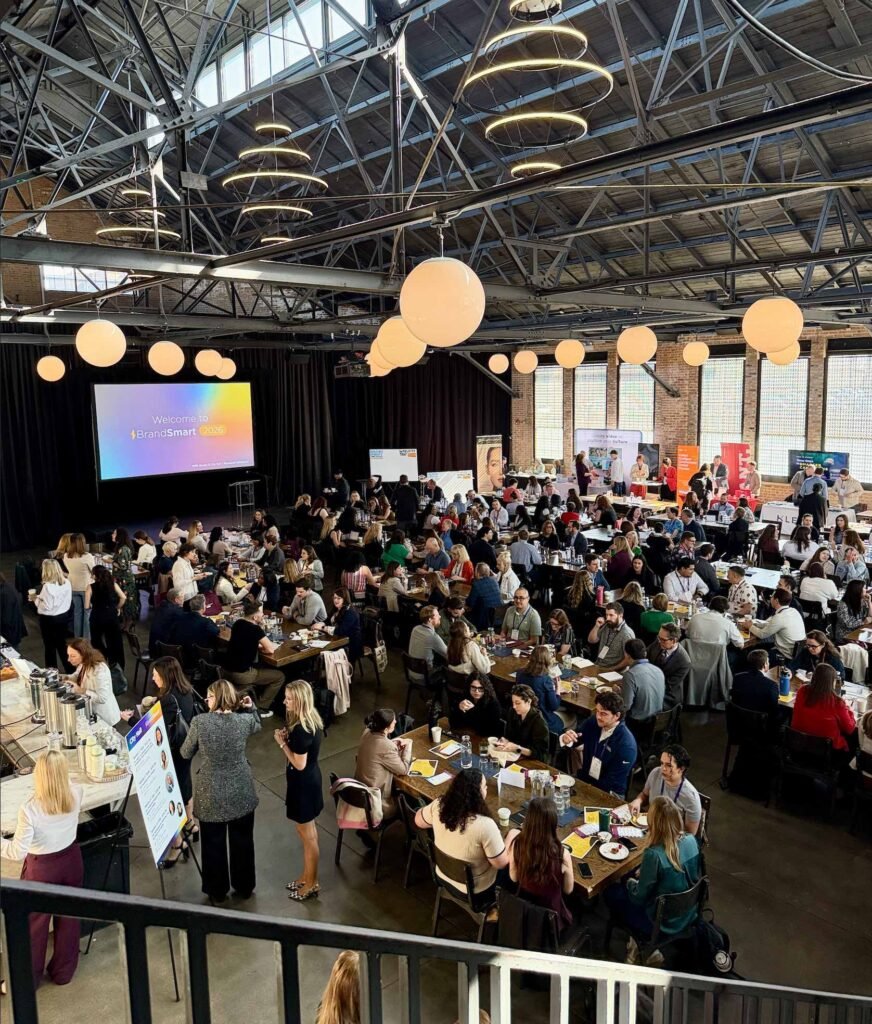
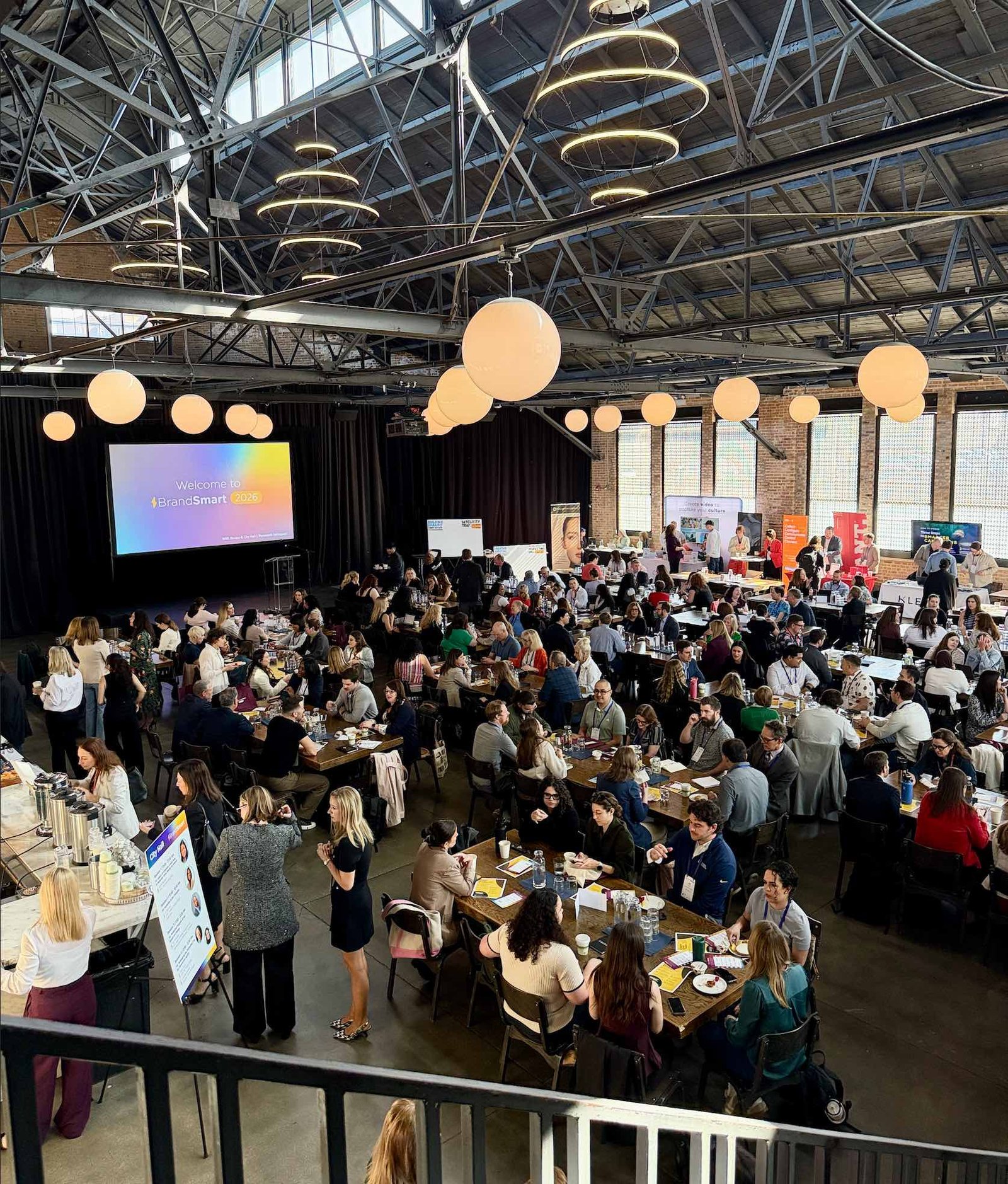
Last week, I attended AMA Chicago’s BrandSmart at City Hall in Chicago, and it delivered exactly what I hope a great marketing conference does: practical ideas, sharp thinking, and a clearer view of where our industry is headed. The event brought together marketers, communicators, and brand leaders to discuss one of the defining challenges of this moment: how to stay relevant in a world that keeps moving faster. For me, BrandSmart is a must-attend for marketers and PR pros. BrandSmart 2026 brought together marketers, communicators, and brand leaders to discuss one of the defining challenges of this moment: how to stay relevant in a world that keeps moving faster. For a historical perspective, here are my takeaways from a previous AMA Chicago BrandSmart.
For marketing and PR professionals, the value of BrandSmart wasn’t just in the individual sessions. It was in the people and the patterns that emerged across the day. Again and again, speakers returned to the same core ideas: brands need consistency, creativity needs space, AI needs intention, and attention is still the most valuable currency in modern marketing.
Read BrandSmart coverage via Brighter Presence on LinkedIn
Why this conference mattered
BrandSmart 2026 centered on marketing in the age of acceleration, and that theme feels highly relevant. Brands are under pressure to produce more content, answer more quickly, and show more impact across more channels than ever before. But the strongest sessions made a compelling case that speed alone is not a strategy.
The real challenge is not simply doing more. It is doing the right things with clarity, discipline, and focus.
For PR and marketing teams, that means:
- building memory, not just impressions.
- creating moments, not just content.
- using AI thoughtfully instead of reflexively.
- protecting the space needed for creativity and strategic thinking.
Those themes showed up throughout the day, especially in the sessions that explored brand building, creative leadership, and organizational design.
My Take: The Visibility Gap No One Talked About
What struck me most was not just the pace of the conversations around speed, creativity, and systems. It was the deeper issue underneath them: most brands are still invisible where it matters most. Not because they are not creating content, but because they are not creating enough clarity. In an AI-shaped world, visibility is no longer about volume. It’s about signal. The brands that win won’t just move faster, the will communicate more clearly, more consistently, and more memorably.
Morgan Roberts: brands that stick
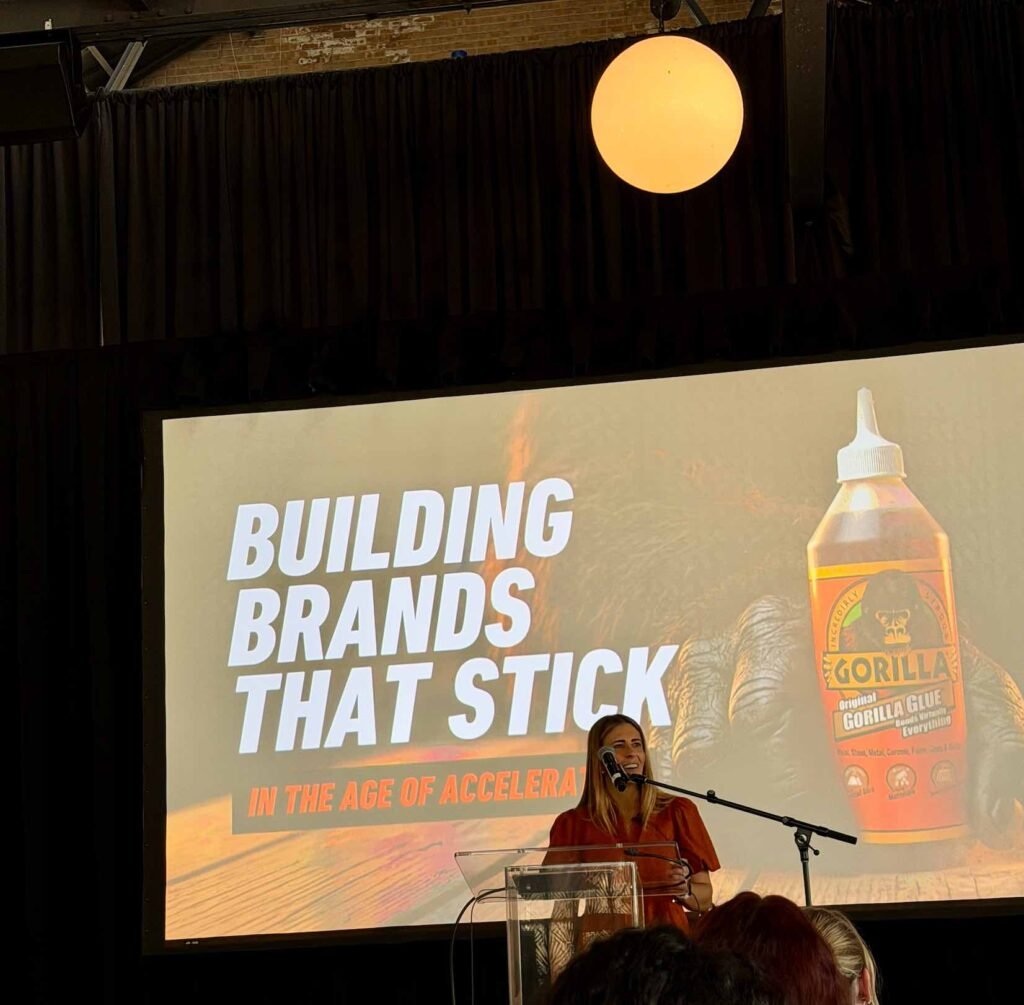
Morgan Mulvihill Roberts of Gorilla Glue kicked off the conference with “Building Brands That Stick in the Age of Acceleration.” Her session was a strong reminder that a brand’s job is not just to be seen. It is to be remembered.
Her framework centered on three leadership shifts:
- channels to moments.
- impressions to memory creation.
- speed to consistency and brand story.
This a useful lens for PR and communications teams. Too often, organizations focus on distribution and visibility without asking whether the message will actually stay with the audience. Morgan’s session argued that strong brands are built through repetition, clarity, and a consistent point of view.
Her Gorilla Glue examples included humorous videos with their Chief Tough Officer. The brand’s identity is so well defined that it creates instant recognition. That kind of brand equity doesn’t happen by accident. It comes from knowing what the brand stands for and refusing to drift from that position. And, of course, I have Gorilla Glue in my kitchen. You never know when you need a sticky fix.
Jennifer Bell: the velocity trap
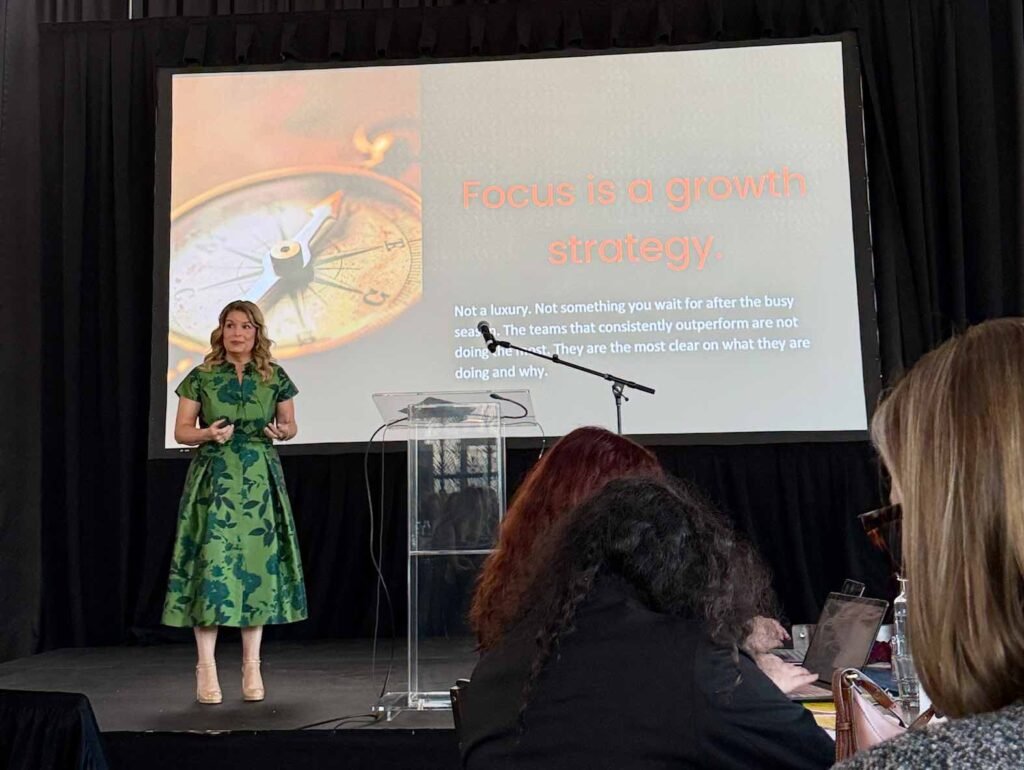
Jennifer Bell of Lettuce Entertain You delivered another standout session with “The Velocity Trap: What Speed Is Costing Your Brand.” Her message resonated because it captured a reality many teams are living right now: it is easy to stay busy, but hard to stay effective.
She opened by slowing the room down with a breathing exercise, which was a smart and memorable way to make her point. Before we can talk about productivity, we need to talk about attention, space, and focus.
Her main ideas were especially relevant for marketing and PR leaders:
- Focus is a growth strategy, not a luxury.
- More activity does not always equal more impact.
- Creativity requires room to breathe.
- Promotions and content without purpose can create noise, not momentum.
Jennifer also used a compelling customer service example to show that volume is not the same thing as value. Sometimes the person who closes fewer tickets delivers a more meaningful customer experience. That idea translates directly into communications work: high output is not always high value. I love Lettuce Entertainment restaurants and enjoyed a delicious meal from Ramen-san over the weekend.
Leslie Marshall: intentional brand design
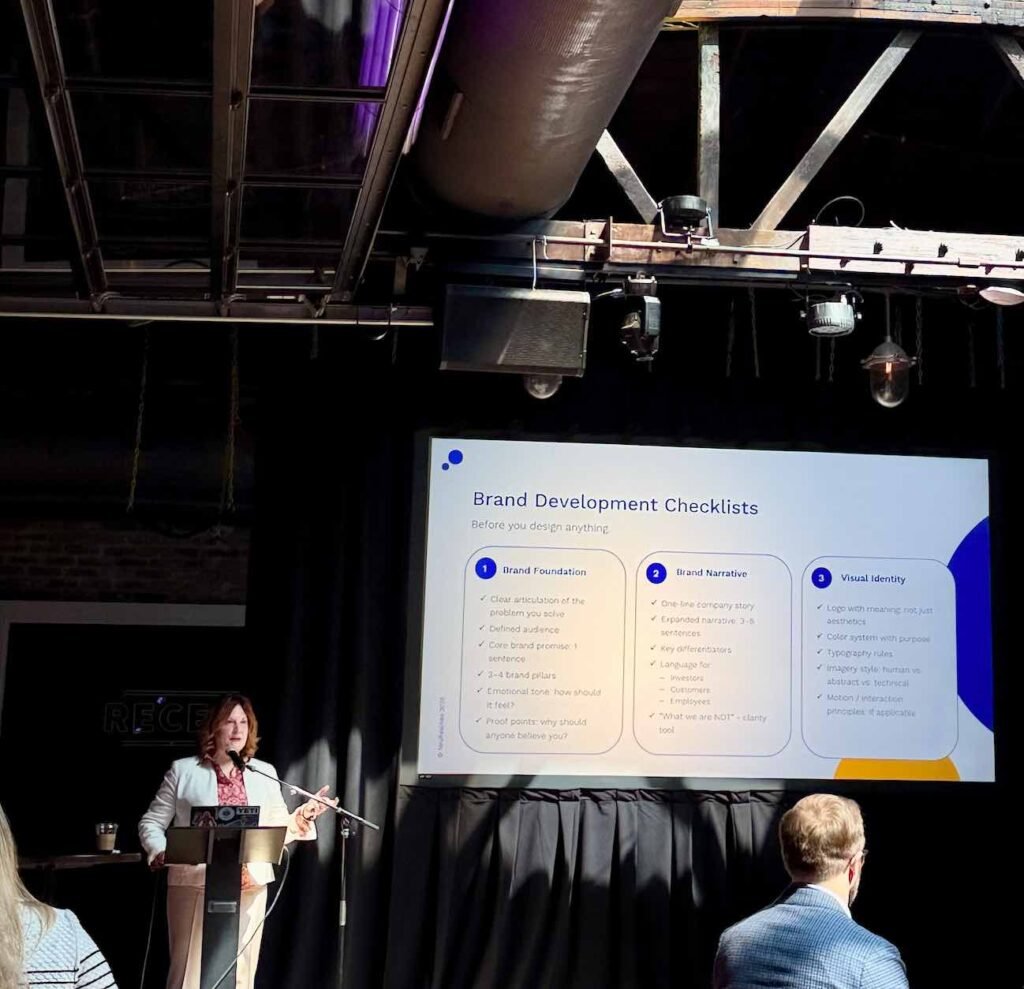
Leslie Marshall’s session from neuRealities was especially compelling for anyone who works in branding, design, or message architecture. Walking us through brand strategy for neuRealities, her presentation showed us that visual identity isn’t a decorative layer. With intention, the visual brand defines the brand’s meaning.
What stood out was the care and intention behind neuReatlies’ brand system:
- a clear brand foundation.
- a thoughtful brand narrative.
- a visual identity built on purpose, not aesthetics alone.
Her session reinforced a key lesson for PR and marketing teams: every brand choice sends a signal. Typefaces, color palettes, word choices, and visual structure all shape how audiences experience a brand before they ever read the full message.
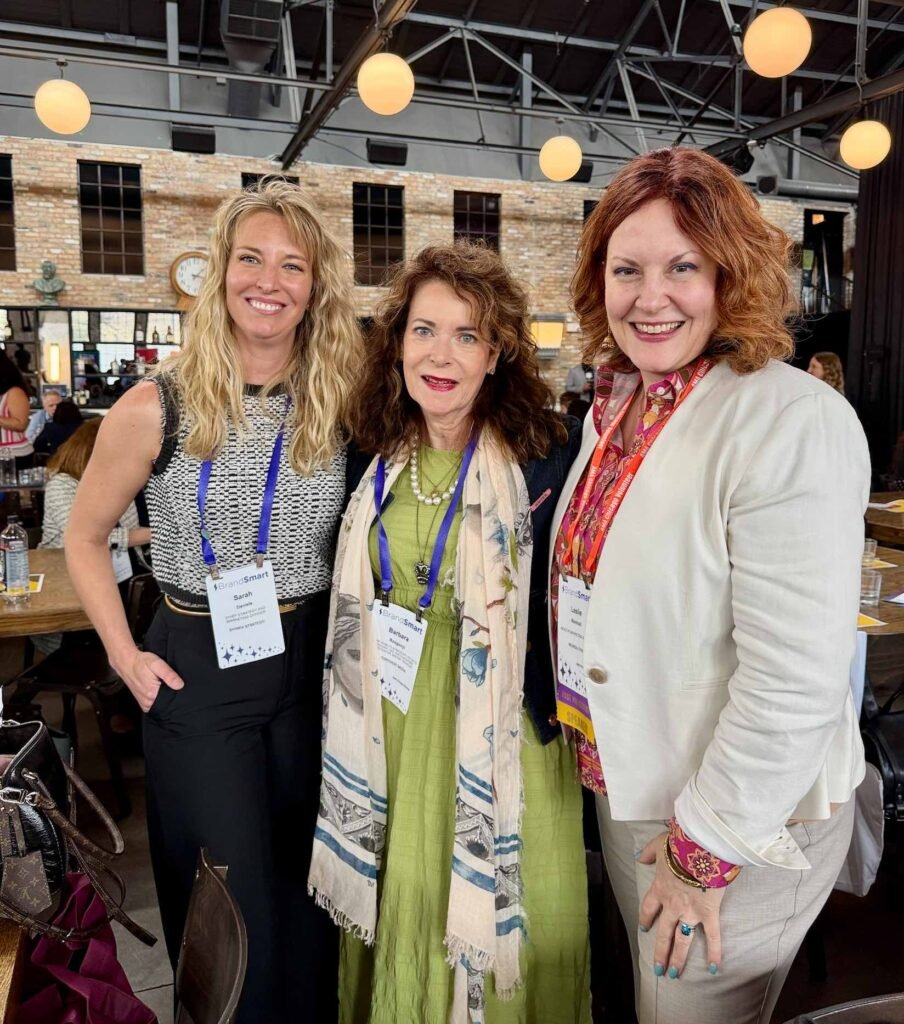
Her use of the Victor Hugo quote, “There’s nothing like a dream to create the future,” was a strong reminder that good branding should be both grounded and aspirational. It should help people understand what the brand is today and what it is trying to become. Leslie and I met via Social Media Club Chicago almost 20 years ago – wow! – and I’ve enjoyed interviewing Leslie on Growing Social Now and following her career progression from Morningstar to Mesmerise to now neuRealities. She is one to watch! And, how fun to meet up with Sarah Daniels, another North Carolina connection I met at BrandSmart last year!
George Couris: B2B needs systems
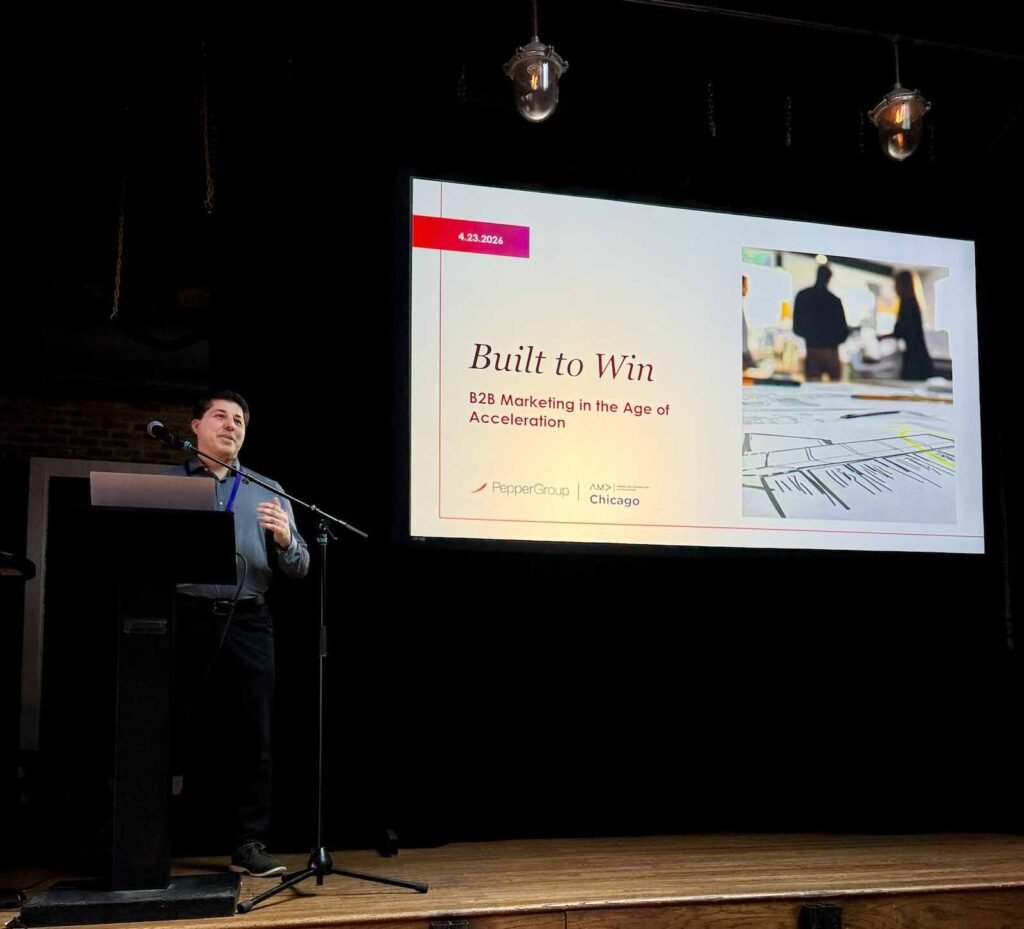
George Couris of Pepper Group brought a useful B2B perspective to the conference with a session that focused on the need for a stronger marketing operating system. His point was clear: many business functions have structures, frameworks, and repeatable systems, but marketing often still relies on disconnected tactics.
To fix that, he presented a skyscraper framework with these levels: strategy/foundation, showroom/visitors, initial engagement/leads, ongoing engagement/relationships, sales enablement/opportunities, customer retention/customers.
That framework matters because it helps teams move from scattered execution to predictable growth. It also gives executives a way to understand marketing in business terms, such as revenue, risk reduction, pricing power, and team performance.
For PR professionals, there is a lesson here, too. A strong communications function should not just be reactive. It should have a system for narrative development, audience engagement, message consistency, and response management.
Creativity and metrics
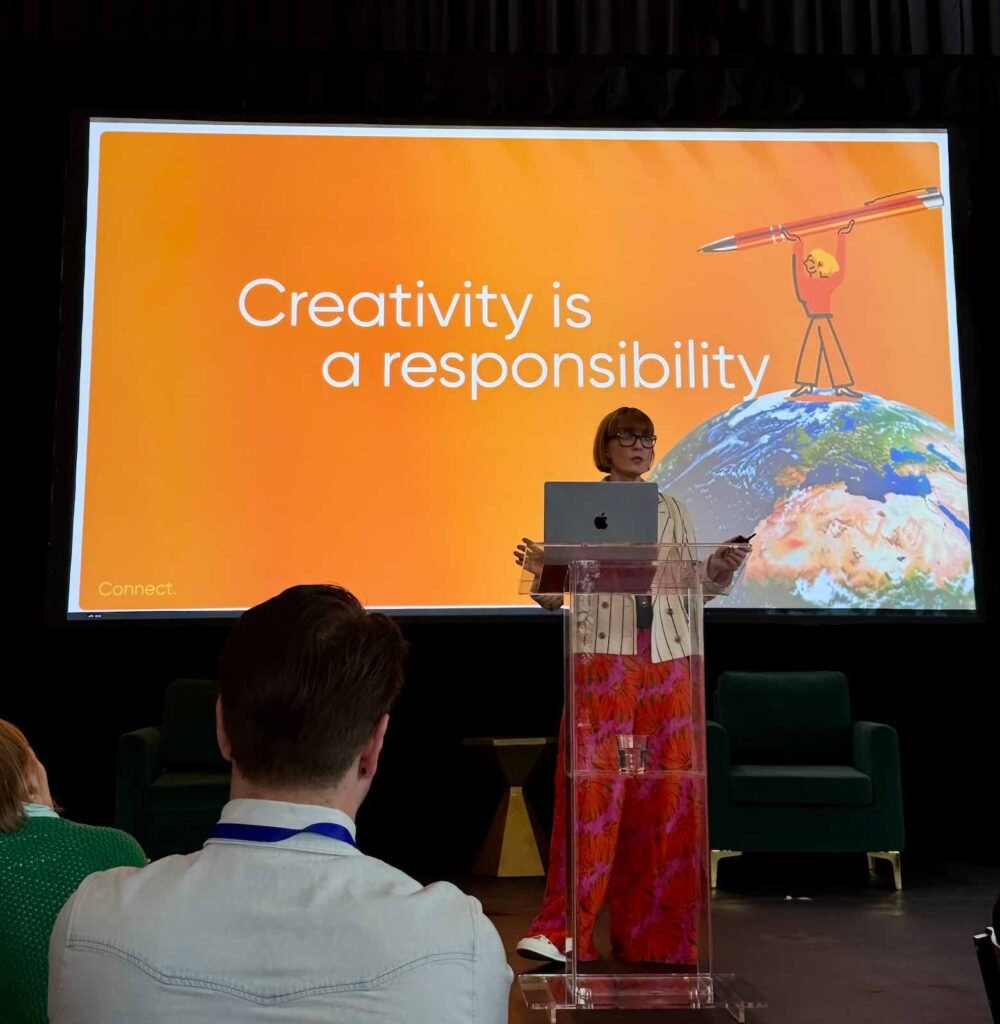
Darcie Graham’s session on creativity reinforced a truth that is easy to forget in busy organizations: creativity is a responsibility. Creativity isn’t just a natural gift or a side task that happens when everything else is done.
That matters in a world where teams are constantly under pressure to produce more with less. If creative people are always reacting, they don’t have the time or mental room to make good work.
Adam Constantine of ACE Creatives added another important angle with his session on creative survival in a metrics-driven environment. His point was not that data should be ignored. It was that creatives need to learn how to interpret data more intelligently.
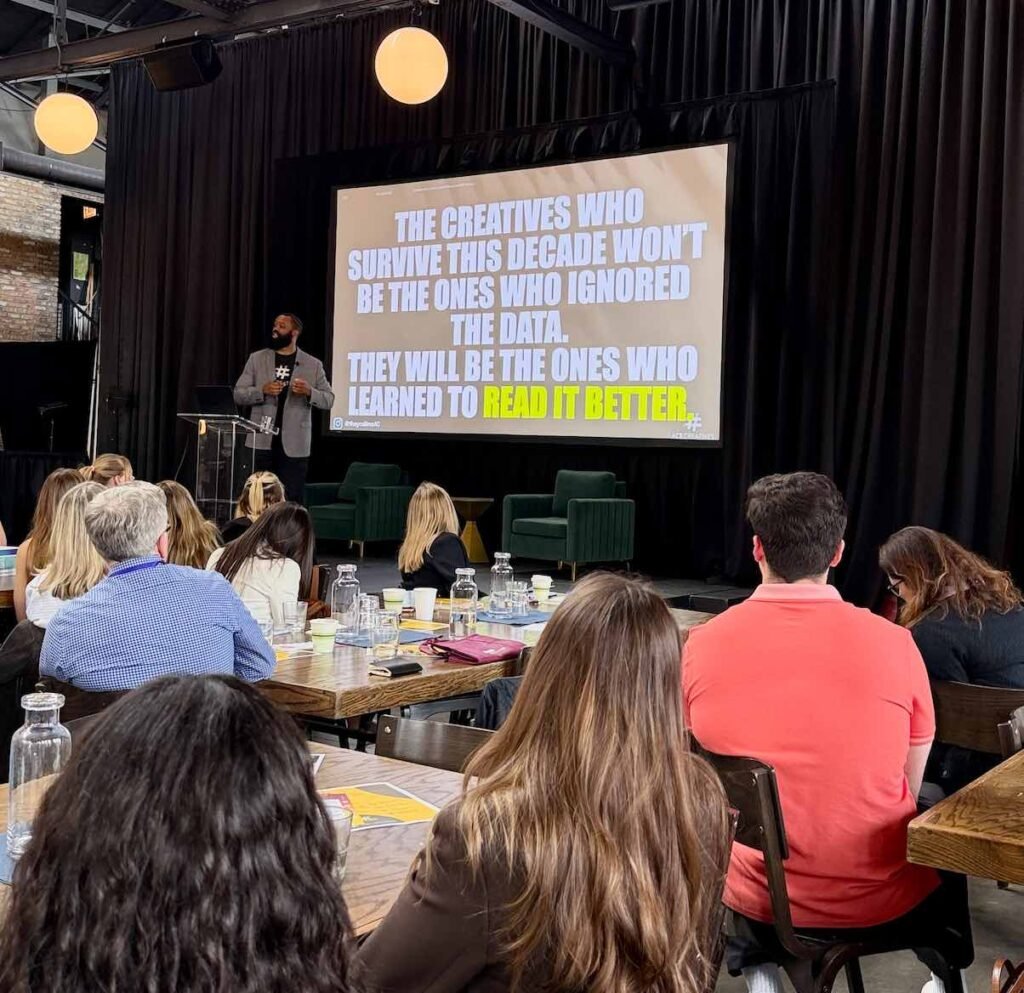
That’s a crucial distinction for marketing and PR teams. Metrics matter, but not every signal should be treated as a final verdict. A good campaign may take time to build. A social post may not perform immediately but still shape long-term brand perception.
Tara Giuliano: patience as strategy
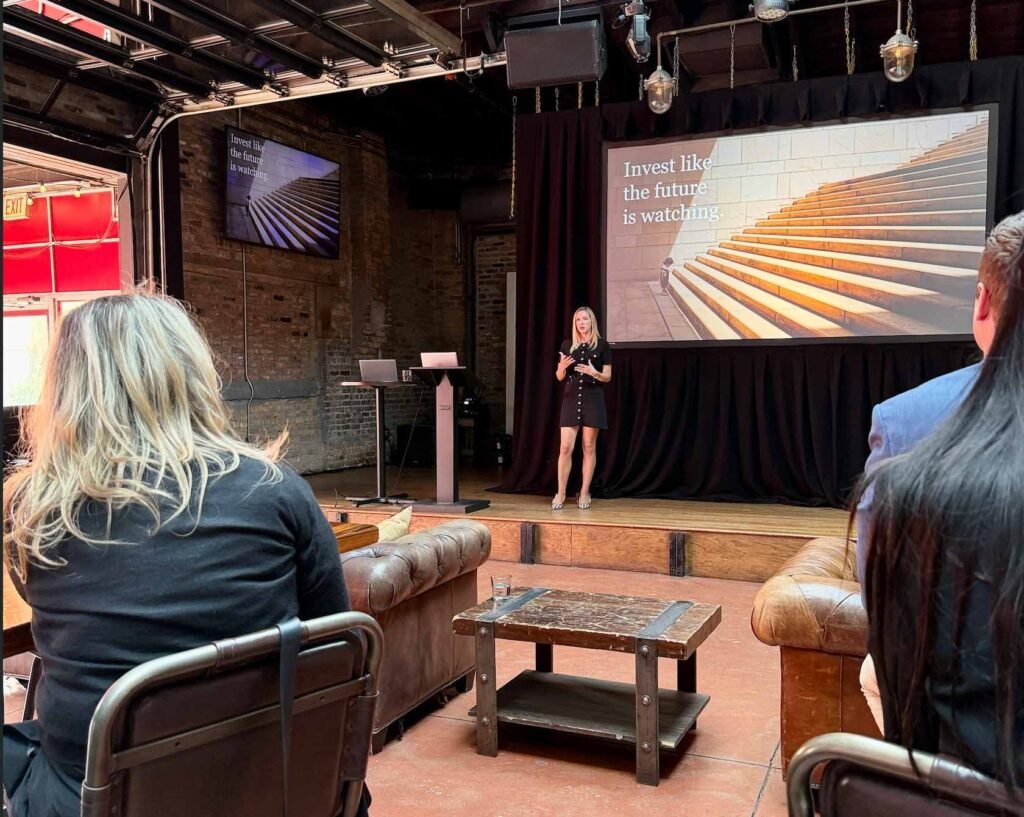
Tara Giuliano’s session on strategic patience offered a needed balance to the conference’s acceleration theme. Her perspective reinforced that brands do not win by moving fast at all costs. They win by moving deliberately. Nuveen’s goal was to advance their brand ranking into the top 10. “Invest like the future is watching” is the brand’s tagline, campaign and vision.
That idea is especially important for marketers who are under pressure to show quick results. Tara’s session reminded the room that not every opportunity should be chased immediately. Sometimes the best move is to pause, sequence, and invest more thoughtfully so the brand is stronger over time. Nuveen partners with employees, museums, racing teams, and Mark Wahlberg’s Municipal brand.
Lessons for PR and marketing teams
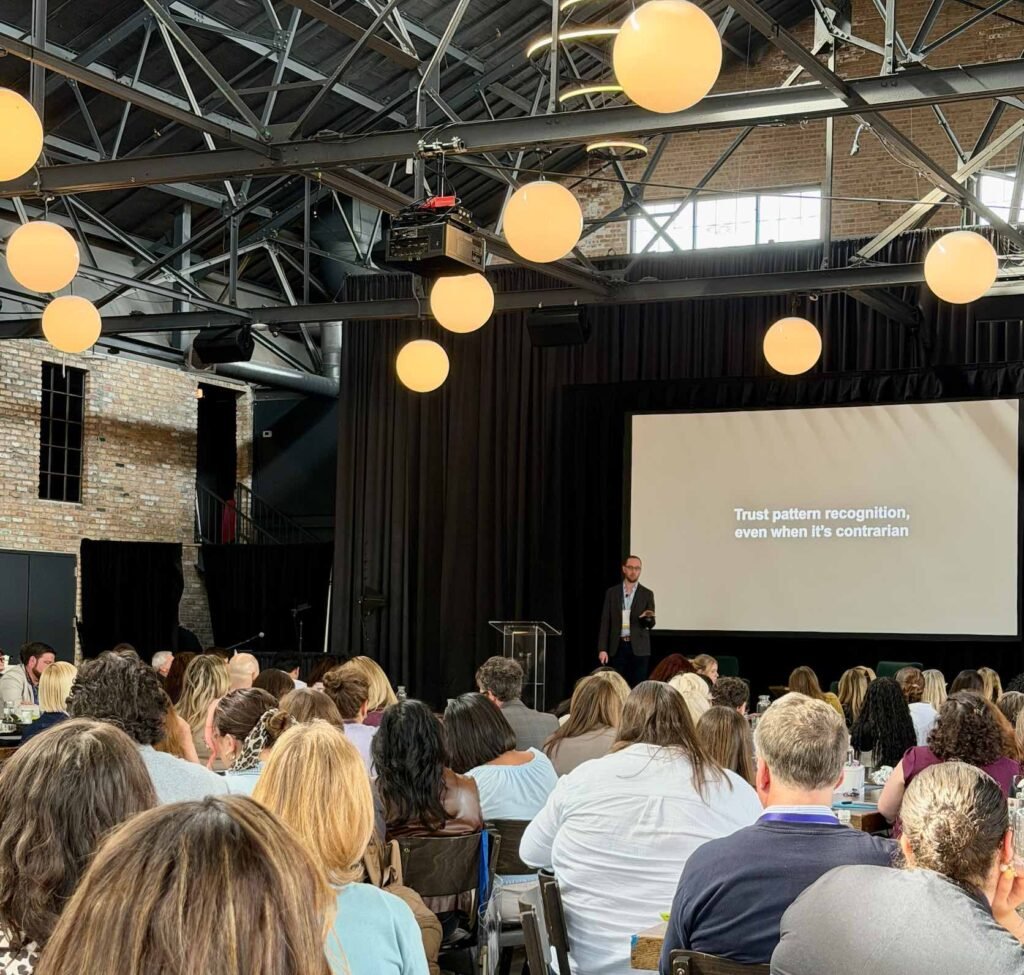
BrandSmart 2026 offered a useful reminder that marketing and PR are at their best when they create meaning, not just motion. The recurring themes across the day were clear:
- build memory instead of chasing impressions.
- create moments, not just campaigns.
- protect space for creativity.
- use AI as a tool, not a replacement for judgment.
- build systems that support consistent execution.
- measure what matters, not just what is easiest to count.
For teams trying to grow visibility, strengthen reputation, or improve communication outcomes, those lessons are highly actionable. They also reflect the reality of modern audiences: people are overwhelmed, distracted, and selective. Brands that win will be the ones that know how to cut through the noise without becoming noise themselves.
Final thoughts
What made BrandSmart especially worthwhile was not only the quality of the sessions, but the quality of the conversation. Events like this matter because they give marketers and communicators a chance to step back from the day-to-day and think about the bigger picture.
I left with a stronger appreciation for the discipline behind good branding, the importance of pacing in a high-speed environment, and the reminder that great marketing still comes down to connection.
The tools will keep changing. The pressure will keep rising. But the teams that last will be the ones that stay thoughtful, intentional, and human.
FAQ
What is BrandSmart?
BrandSmart is AMA Chicago’s marketing conference focused on practical ideas, future-facing strategies, and real-world examples for brand leaders, marketers, and communicators.
Why does BrandSmart matter for PR professionals?
It matters because it highlights how messaging, audience connection, brand trust, creativity, and strategic communication all work together in a fast-moving media environment.
What was the biggest takeaway from BrandSmart 2026?
The biggest takeaway was that speed matters, but only when it is paired with clarity, consistency, and a focus on brand memory.
How should marketing teams apply these lessons?
Teams should prioritize brand systems, protect creative space, think in moments rather than channels, and use AI to support strategy rather than replace it.
Is BrandSmart useful for in-house and agency teams?
Yes. The conference offers insights that apply across agency, in-house, B2B, B2C, and nonprofit marketing environments.
Featured BrandSmart 2026 Speakers
Grateful to learn from and connect with this incredible group of brand and marketing leaders
- George Couris — Pepper Group
- Steve Olenski — The CMO Whisperer
- Steve Krull — Be Found Online
- Jill Rahman — Greater Chicago Food Depository
- Tara Giuliano — Nuveen
- Adam Constantine — ACE Creatives
- Darcie Graham — CO-5
- Jennifer Severns — Severns Innovation Group
- Cory Rothschild — Sunnyside
- Christine Buck — Minitab
- Morgan Mulvihill Roberts — The Gorilla Glue Company
- Jennifer Bell — Lettuce Entertain You
- Santhi Ramesh — The Pampered Chef
- Leslie Marshall — neuRealities
- Chris McGuire — McGuffin Creative Group
About Barbara Rozgonyi
Barbara Rozgonyi, CEO of CoryWest Media is an AI + PR visibility strategist, Fractional CMO, keynote speaker, podcaster, writer, photographer, and publisher of WiredPRWorks.com, ranked #32 among 100 top PR blogs in 2026. She helps brands and leaders build authority through strategic communication, smart content, and future-ready visibility.
This recap was developed with the assistance of AI tools and edited for accuracy, voice, and context. All session content, speaker insights, and takeaways are based on notes gathered during the event. AI supported the drafting and organization of this content. The perspective, observations, photography, and editorial judgments are my own.

 English