Rooted in Resilience: What the Philadelphia Flower Show Teaches Us About PR, Events, and Growth
I wasn’t even in Philadelphia for 24 hours. I flew in, walked into the Pennsylvania Convention Center early on a Saturday morning, and could smell the flowers before I saw a single bloom. It felt like walking into a living vision board for how I want events, brands, and stories to feel in 2026: rooted, intentional, and unforgettable.
Today I work with associations, event organizers, and B2B brands as a PR and visibility strategist and keynote speaker, helping them design experiences that feel as intentional and memorable as a great garden.
If you plan meetings, lead associations, run marketing or PR, or speak on stages and you’re wondering how to create experiences people actually remember, this story and framework are for you.
Philadelphia, Rooted
Philadelphia is one of America’s original garden cities. Long before the Flower Show, French botanist André Michaux visited William Bartram at what’s now Bartram’s Garden, the oldest surviving botanical garden in North America, founded in 1728 along the Schuylkill River.
The 2026 PHS Philadelphia Flower Show, held at the Pennsylvania Convention Center, builds on that history with its theme “Rooted: Origins of American Gardening.” It’s the final chapter in a three‑year series looking at where our gardening traditions come from, and it arrives as the U.S. celebrates its 250th anniversary.
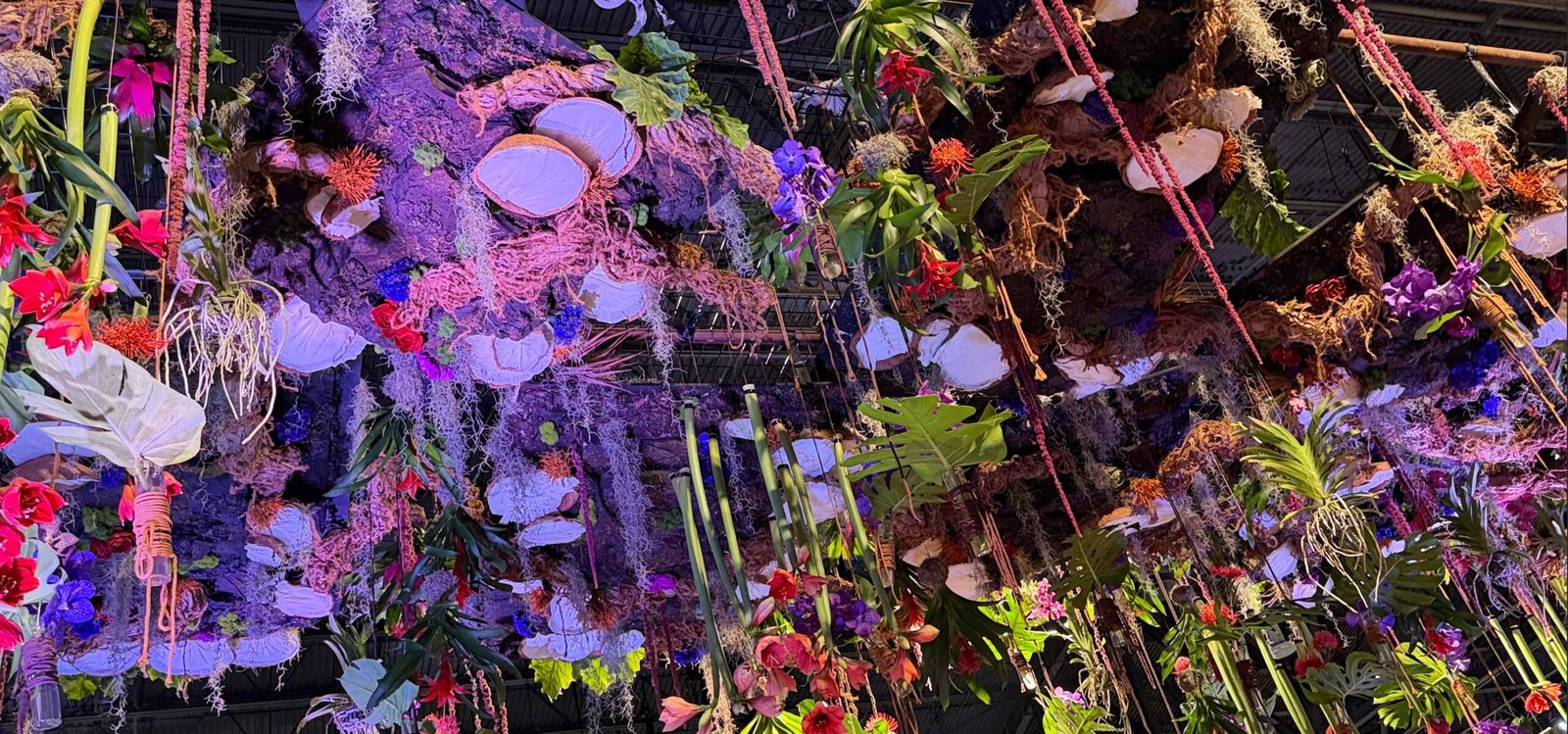
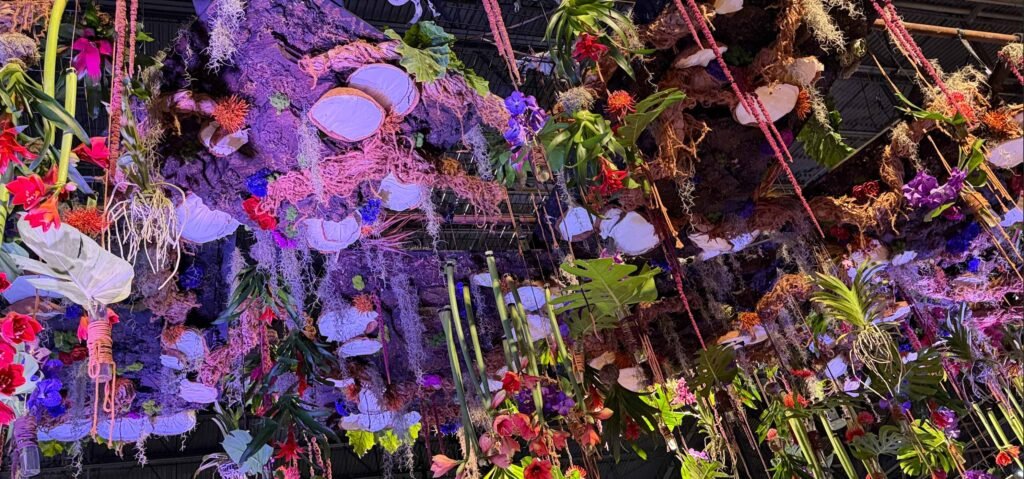
Step inside and you’re in a world of curated nature. Early in the morning on the photography tour, the hall is quiet. You hear the murmur of conversations, the click of camera shutters, and the soft shuffle of people who showed up early because they care. The lighting is more theatrical than natural; spotlights carve out each garden as its own stage. The fragrance meets you halfway down the hallway.
At one point I walked under an arch completely covered in flowers and thought:
This is what a fully bloomed brand experience feels like in real life.
Moments That Caught Me and My Cameras
You could spend an entire day here and still miss things, but a few scenes are etched into my mind:
- A native‑plant garden presented as a real‑estate listing, reminding visitors that the most beautiful “curb appeal” starts with ecology, not just aesthetics.
- A theatrical set called Rooted in Love, complete with velvet curtains, floral couture figures, and a “Bloombill” cast poster that treated flowers like actors.
- An orchid showcase that highlighted varieties named for First Ladies, blending horticulture with history and diplomacy.
- A powerful piece called Ikechi featuring two Black hands holding an abundance of flowers, honoring African Americans’ contributions to American agriculture.
As a photographer, I loved that I could pull back to capture an entire archway of color or zoom in on one blossom and see a completely different story. That tension between big picture and fine detail is exactly what we navigate in PR and event design.
How I Got Here: A Flower Shop, a Hill, and a Promise
People often ask, “Barbara, why flowers? Why Friday Flowers? Why fly to a show for less than a day?”
When I was young and as I grew up, my mom faced serious health challenges. Back then, when I wanted to bring some light into our house, I’d gather whatever coins I could find, maybe a dollar or two, and walk up a big hill to our neighborhood flower shop.
I’d always stop at the window first to admire the display of all things green and growing. Then I’d step inside and get wrapped up in so many scents: soil, flowers, and an essence you can’t quite name.
The florists would bundle up cuttings from finished arrangements and send me home with an armful of flowers. Those castoff bouquets didn’t change her diagnosis. But they brightened our days.
That’s when I learned what I still believe:
Beauty is strategy. Beauty is medicine. Beauty is PR for the soul.
Florist or Writer? Choosing a Path
In college, I took two floral design classes and fell in love with ikebana and the art of intentional arrangement. Later, I became a national sales trainer. I loved the work, but the travel rhythm didn’t match the life I wanted with a little one at home.
When I went through career counseling, the results came back with two clear options: florist or writer.
I actually found a florist job. I could picture myself sweeping the floor, answering phones, and breathing in floral fragrances every day. But the hourly rate wouldn’t even cover the babysitter, so I didn’t take it.
Instead, I chose the writer’s path:
- First with a story about my grandmother’s garden that caught the attention of the Chicago Tribune
- Then with PR, content, and campaigns for clients
- Eventually with landscape architects, crafting award‑winning contest entries and press coverage for gold medal wins
I may not design gardens, but I design how people experience them through words, strategy, and story.
That’s also what I do for events, associations, and thought leaders.
The “Splash Moment” Every Event Needs
Walking through the 2026 show, I kept thinking about how much design, art, and construction work hides behind each installation.
Students and designers pull long days. Trucks of plants arrive on precise schedules. Structures go from “almost nothing” to “how is this even possible?” in what feels like a snap.
Then, after a few days, it’s gone.
That’s the splash moment.
Months of planning, dozens of spreadsheets, and hundreds of micro‑decisions all accumulate into one vivid window of time: an opening session, an awards night, a trade show floor, a floral arch that takes your breath away even though you know it won’t be there next week.
If you’re:
- a meeting planner justifying your budget,
- an association executive defending the value of your annual conference,
- a speaker preparing for a big stage, or
- a PR/marketing leader pitching your next campaign,
remember this:
The splash moment is the value. It’s why people show up. It’s why they remember you.
Our work is to design those splash moments on purpose.
A Four‑Season Framework for PR and Visibility Growth
Flowers and gardens run on seasons. So do brands, events, and visibility.
Here’s a simple way to think about your visibility strategy so you always know what to do next.
Winter: Quiet Strategy
Roots deepen, even though nothing is visible. This is your research, positioning, message clarity, offer design, and audience mapping. It feels slow. It’s essential.
Questions I ask clients here:
- Who are you really trying to reach?
- What do you want to be known for in three years, not just three weeks?
Spring: Planting and First Shoots
You start sharing your story. You pitch. You post consistently. You speak on smaller stages. You pilot programs. You nurture early relationships. Serious tending required.
Spring is where many associations and B2B brands underestimate how much time and repetition it takes. You’re still closer to the soil than the sky.
Summer: Full‑Bloom Visibility
This is your Philadelphia Flower Show moment. Your conference is buzzing. Your keynote lands. Your campaign gets coverage. People mention you in rooms you’re not in.
Summer is where the splash moment lives. It’s visible, it’s energizing, and it’s when all those winter and spring decisions pay off.
Fall: Harvest and Compost
You collect testimonials, photos, metrics, and stories. You study what worked and what didn’t. Nothing is wasted. Even the missteps become compost for next year’s growth.
Fall is also where you decide what to repeat, what to refine, and what to gently retire.
When I work with clients on visibility roadmaps, PR strategy, and personal brand positioning, the first question I ask is:
“What season are you in right now?”
Because a winter strategy applied to a summer season (or the other way around) feels frustrating and expensive very quickly.
Friday Flowers: A Small Weekly Splash
One reason I love living in North Carolina now is the longer bloom time: camellias in winter, gardenias and magnolias in the warmer months. The year feels punctuated by petals.
Every Friday, I share Friday Flowers with my community. It doesn’t always get big numbers. Honestly, that’s not the point.
To me, it’s like leaving a bouquet on someone’s doorstep. A small, dependable signal that beauty is still here and that your week deserves at least one moment of color.
In a world that can feel dominated by outrage and urgency, this is my choice. I keep walking up the virtual hill to the flower shop and bringing back something beautiful to share.
How You Can Use This: WIIFM
If you’ve read this far, here’s what I’d love you to take with you:
- Event and meeting planners: Design intentionally for your splash moment. From first impression to final goodbye, what do you want people to feel and remember?
- Association and marketing leaders: Plan campaigns in seasons. Stop expecting full‑bloom results from winter‑stage efforts. Align your expectations and your tactics with your true stage of growth.
- Speakers and thought leaders: Bring your origin story into your message. The “flower shop at the top of the hill” moments are what make your expertise memorable and human.
- Anyone leading change: Ask yourself regularly, “Are we in winter, spring, summer, or fall?” Let the answer guide your investments and your energy.
The Philadelphia Flower Show is on my calendar now as a creative reset and a strategy lab wrapped in petals. Next up for me is the Orchid Festival at Kew Gardens in London, and I’m already curious about how their storytelling will compare.
If you’d like help mapping your own seasonal visibility plan for your association, event, or personal brand, I’d love to talk.
FAQ: PR, Events, and Growth Inspired by the Philadelphia Flower Show
Q1: How can meeting planners apply the “splash moment” idea to their events?
Focus on one or two unforgettable experiences instead of trying to make every minute a peak. Design around that moment: visuals, sound, story, and follow‑up content that extends its life.
Q2: What if our organization feels “stuck” in winter?
Winter is about roots, not results. Invest in message clarity, audience research, and internal alignment. It often takes longer than you think, but it makes every later season more effective.
Q3: Can the four‑season framework work for personal brands too?
Yes. Speakers, consultants, and creators can use it to plan when to build, launch, pause, and refine. It keeps you from expecting summer results from spring‑level effort.
Q4: How often should we revisit our season?
I recommend a quick check‑in each quarter and a deeper review once a year, ideally after a major event or campaign while the details are still fresh.
About Barbara Rozgonyi
Barbara Rozgonyi is a PR and visibility strategist, AI‑curious storyteller, keynote speaker, and founder of CoryWest Media and creator of wiredPRworks. She helps associations, event organizers, and B2B brands design standout stories, stages, experiences, and campaigns. A former national sales trainer and lifelong flower lover, she blends data, creativity, and narrative to turn leaders into visible, in‑demand voices. She loves capturing life through her creative lens via Canon and Sony.
Note: This article was drafted with the assistance of AI tools and edited by Barbara to reflect her voice, experience, and original photography
 English