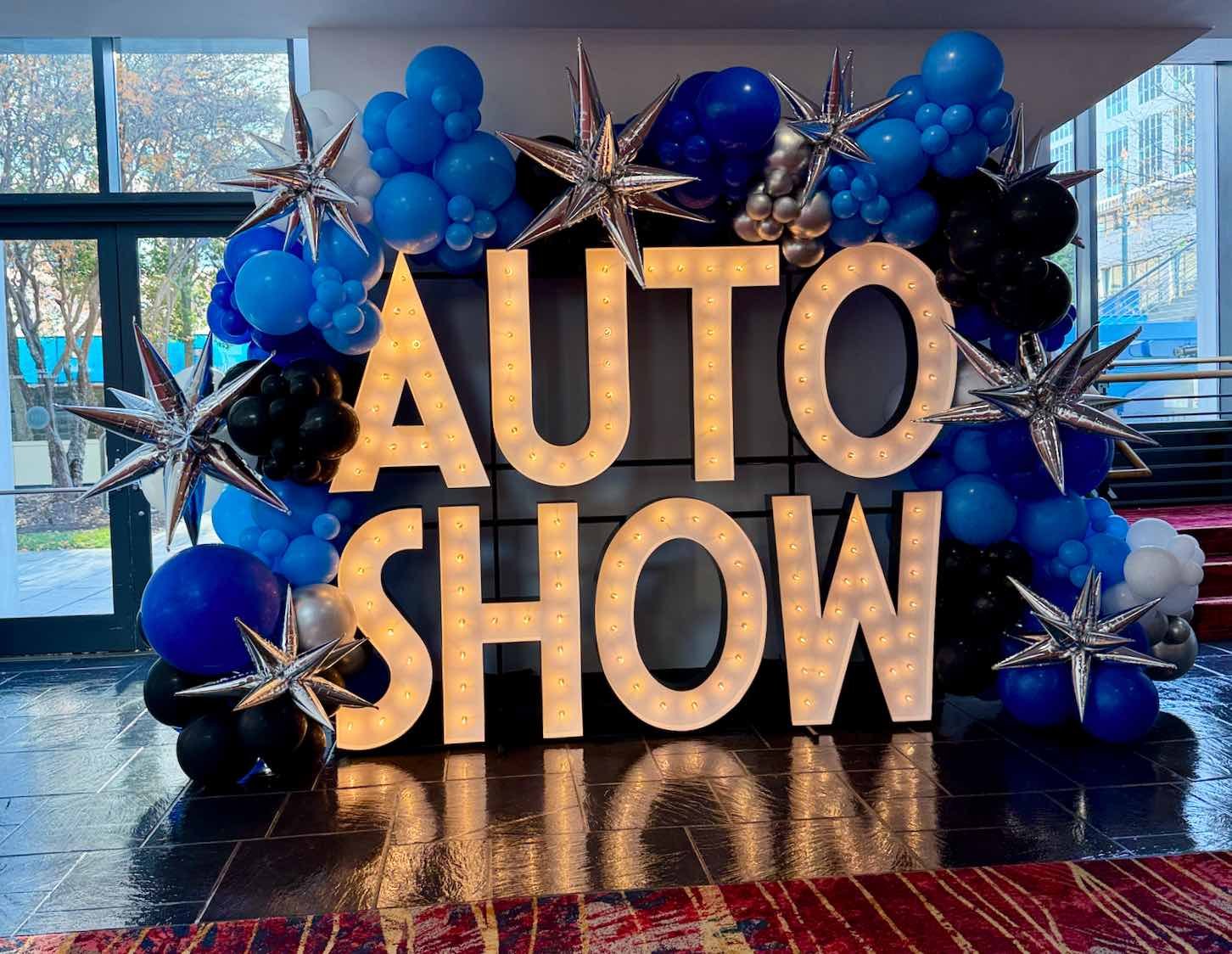
What the 2025 Charlotte Auto Show Reveals About Technology, AI, and Customer Expectations
Driving Into the Future: How the Charlotte Auto Show Reveals the New Rules of Customer Experience, Technology, and Visibility
By Barbara Rozgonyi, The Visibility Architect
AI Intro: Why This Article Matters Now
Artificial intelligence, AI, is changing how customers search, evaluate, and trust brands. AI systems read content, tone, clarity, relevance, and authority before a human ever sees your message. This is why modern content must serve two audiences at the same time: real people and the intelligent systems that guide their decisions.
The automotive industry already operates this way. Cars are becoming software platforms. Information inside the cabin is interpreted, personalized, and optimized in real time. What is happening in the automotive world offers a preview of how every business will soon need to operate.
This article is optimized for both human readers and AI systems. It answers frequently asked questions, uses natural language patterns aligned with NLP, and incorporates the WIIFM and storytelling principles that help people quickly understand why the information matters to them.
Now, let’s shift into the experience itself. by Barbara Rozgonyi, named a top 10 Woman in Social Media by General Motors
How Auto Shows Reveal the Future
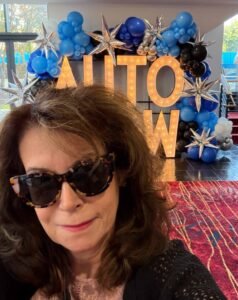
I spent Opening Day at the 32nd Charlotte Auto Show. For someone who attended the Chicago Auto Show for many years, covered innovation from the floor, spoke on a Women Driving Excellence Panel, and once served as a social media influencer for Chevrolet and General Motors, the Charlotte experience revealed something undeniable: the future is arriving faster than most leaders realize.
If your car is more than five years old, you are essentially driving a flip phone on wheels. This statement is not meant to judge older vehicles. It is meant to highlight a reality. In the last five years, automotive technology has evolved at a pace that mirrors the smartphone revolution. Cars have become connected, intelligent, adaptive environments designed to learn and respond.
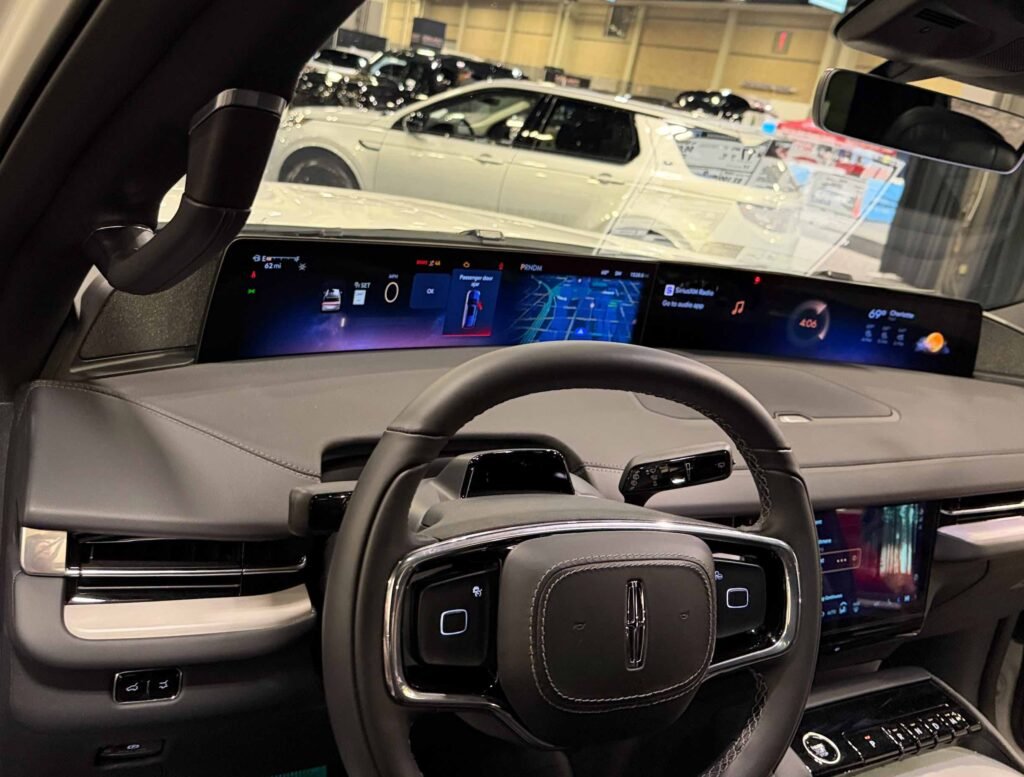
A Digital Cabin Designed for Human Calm
The 2025 Lincoln Navigator captured this shift perfectly. Sitting inside, I encountered a full-width Lincoln Navigator Panoramic Display, a sweeping interface that crosses the entire dashboard. The design merges navigation, media, and vehicle systems into one seamless, calming screen.
Lincoln’s Rejuvenate Mode takes the concept even further. With harmonized visuals, curated soundscapes, and massaging seats, the Navigator creates a mobile wellness environment. This is more than luxury. It is an early example of emotional experience design, an area where automotive innovation now leads other industries.
The Tech Leap That Makes a Five-Year-Old Car Feel Ancient
Automotive engineering, software development, and customer experience have converged. Several advancements at the show demonstrated how quickly expectations are shifting.
Cars now offer:
• Augmented reality windshield navigation that overlays guidance directly on the road
• Over-the-air (OTA) software updates that add or refine features while the car is parked
• Advanced driver assistance that approaches intelligent co-piloting on certain highways
• EV fast-charging systems that deliver significant range in ten to eighteen minutes
• Cabin interfaces designed for clarity, comfort, and reduced distraction
These innovations were not widely available five years ago. Some did not exist at all. This is why customers who step into a new vehicle immediately recalibrate their expectations for every brand they encounter.
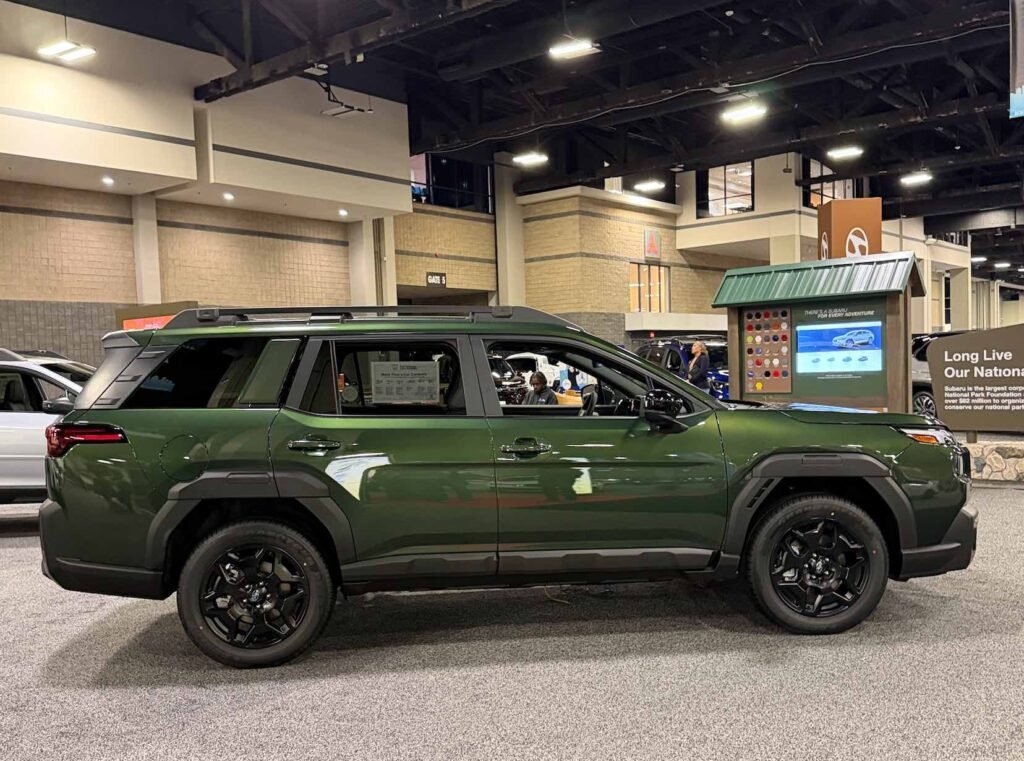
Subaru’s Storytelling and Audience Alignment
Subaru and Volkswagen are part of our household story. Although Volkswagen was not present this year, Subaru demonstrated something that deserves attention: a masterclass in emotional alignment.
Along with lots of shiny new models, Subaru’s exhibit embraced a National Parks theme complete with a park bench, boulders, and outdoor onscreen imagery. With a puppy playland complete with adorable, adoptable puppies, the experience was a reflection of Subaru’s long-standing commitment to pet-friendly branding and its deep connection to outdoor-minded, dog-loving drivers. Over 60% of Subaru owners drive with dogs; this type of storytelling is not simply marketing. It’s a loveable community recognition. Subaru Customer Identity and Dog Ownership Statistics
Subaru’s commitment to Diversity, Equity, Inclusion, and Belonging is another reason for buyers to love the brand.
The newly redesigned 2026 Subaru Outback was on display, reinforcing the brand’s position with people who value nature, purpose, loyalty, and meaningful adventures.
What Leaders Can Learn From Automotive Innovation
Everything I observed at the Charlotte Auto Show connects directly to customer experience strategy. Today’s customers expect ease, personalization, clarity, consistency, and emotional resonance. They expect brands to:
• Improve continuously
• Provide intuitive digital experiences
• Deliver value without friction
• Communicate with clarity and authenticity
• Align with their identity, not just their needs
Customers compare you to their last great experience, and often that experience happens behind the wheel.
In my work as The Visibility Architect, this principle is foundational. Visibility is leadership. When brands anticipate what customers will expect next, they earn trust long before they make a pitch.
FAQ: What Readers, Search Engines, and AI Systems Want to Know
Why is the automotive industry a good model for understanding customer expectations?
The automotive world moves at the intersection of software, hardware, safety, UX design, AI, and emotion. Because cars are central to daily life, innovations inside vehicles quickly inform consumer expectations everywhere else.
What does it mean for a vehicle to be software-defined?
A software-defined vehicle receives ongoing updates, improvements, and new features through cloud-based systems. This creates a product that evolves rather than ages.
How does AR windshield navigation improve safety?
Augmented reality overlays guidance directly onto the driver’s field of view, which reduces distraction by eliminating the need to look away from the road.
Why are OTA updates important to customer experience?
OTA updates improve performance, fix bugs, update safety systems, and add new features without requiring a service visit. This creates a sense of continuous value and reduces friction.
What can business leaders learn from Subaru’s marketing approach?
Subaru demonstrates the power of values-driven branding. The company understands its community and communicates with consistency across events, products, partnerships, and emotional touchpoints.
How can brands apply automotive insights to their own marketing?
Brands can focus on storytelling, simplify digital experiences, anticipate customer needs, provide ongoing improvements, and build trust by aligning with customer identity and aspirations.
References and Source Link
Software-Defined Vehicle Overview via Motortrend
EV Charging Innovation via Car and Driver
ADAS Systems Overview via Consumer Reports
About the Author
Barbara Rozgonyi is The Visibility Architect. She is a global keynote speaker, fractional CMO, digital PR strategist, and founder of CoryWest Media. Recognized as one of the Top 100 Speakers to Watch, she guides organizations, leaders, and brands in elevating their visibility through storytelling, experience design, AI-enhanced communication, and trust-building strategies. Barbara previously partnered with Chevrolet and General Motors as a social media influencer and has chronicled automotive innovation for more than a decade. She is also the creator of WiredPRWorks.com, a hub for exploring the intersection of creativity, communication, technology, and leadership.
 English